News (click to select category)
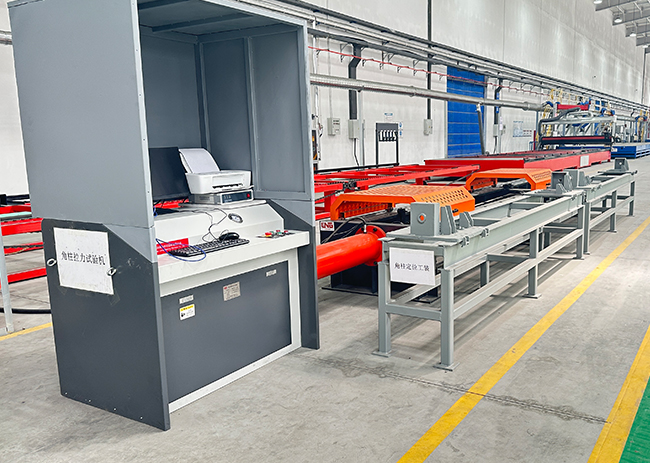
Guangdong horizontal tensile testing machine-operating rules
Date:2026-08-06ID: 370Heat:
I. General rules:
1. Purpose: To standardize the operation, ensure the safety of personnel and equipment, and ensure the accuracy and reliability of test data.
2. Scope of application: This procedure is applicable to the operation, maintenance and management of a 150-ton (1500kN) microcomputer-controlled horizontal tensile testing machine.
3. Personnel requirements: Operators must pass professional training and examination, be familiar with equipment structure, performance and safety specifications, and hold relevant certificates.
Second, the preparation before operation:
(1) Personal protection
Wear safety shoes, protective glasses, cut-proof gloves, and put long hair into the working cap. It is forbidden to wear accessories and loose clothes.
(2) Equipment inspection
1. Power supply and grounding: confirm that the 380V power supply is firmly connected and well grounded, and there is no risk of leakage.
2. System self-check: Turn on the main power supply, control cabinet power supply and microcomputer control system in turn. The software self-check passes, the data such as force value, displacement and speed are displayed normally, and the emergency stop button is effective.
3. Hydraulic system (if any): Check the oil level and quality of hydraulic oil for no leakage. After the oil pump is started, the pressure is stable and there is no abnormal noise.
4. Fixture and fixture: check that the tooth surface of fixture (wedge, hydraulic clamping, etc.) is intact, free from abrasion and firmly connected; According to the sample specifications, select the adaptive fixture and clamp block, and clean the fixture sundries.
5. Safety protection: Make sure that safety devices such as protective nets and shields are in place, and it is forbidden to dismantle or leave them idle.
(3) Sample preparation
1. Prepare samples according to test standards (such as GB/T8919-2006, GB/T26079-2010), measure dimensions (diameter, cross-sectional area, gauge distance), and record data.
2. There is no crack, burr or corrosion on the surface of the sample, and the dimensional accuracy meets the requirements to avoid eccentricity or deformation of the sample.
Third, the operation process:
(1) Start-up preheating
1. Turn on the main power supply → control cabinet power supply → microcomputer system, start the measurement and control software, and preheat for 15-30 minutes until the system is stable.
2. Perform sensor zero calibration and full-scale self-check of force value to ensure accurate data.
(2) Specimen clamping
1. When the machine is stopped, adjust the position of the moving beam to adapt to the length of the sample.
2. Put one end of the sample into the fixed-end fixture for preliminary clamping; Move the beam slightly, and put the other end of the sample into the movable end fixture, so as to ensure that the axis of the sample is completely aligned with the loading axis and avoid unbalanced load.
3. Start the hydraulic clamping mechanism, and clamp evenly with moderate force (anti-skid, no sample damage).
4. Take out all tools and make sure there are no sundries left.
(3) Parameter setting
1. Create a new test task and enter the sample number, material name, cross-sectional area, gauge distance and other information.
2. Select test standards (such as metal stretching, bolt stretching, etc.), and set control mode (displacement/force value control) and test speed (metal routine ≤20mm/min, plastic ≤50mm/min).
3. Set protection parameters: upper limit of force (not exceeding 1500kN), displacement limit, breaking and stopping conditions, and start overload protection.
4. Clear the test force, displacement and deformation data, and prepare to start the test.
(4) Test operation
1. Make sure all personnel are standing in the safe area of the equipment (on the side, away from the front), loudly remind "Start the test" and start the test.
2. At the initial stage of the test, load at a low speed (5-20mm/min), observe the deformation of the sample and the state of the fixture, and return to normal speed after no slip and inclination.
3. Monitor the force-displacement curve and equipment operation state throughout the process, and press the emergency stop button immediately in case of abnormal sound, vibration, oil leakage and sample slip.
4. After the sample is broken, the equipment will stop automatically, wait for the beam to stop moving, and it is forbidden to approach immediately.
(5) Test ending and data processing
1. When the equipment stops completely, unload the fracture sample and record the fracture position and deformation form (the data of fracture is valid within the standard distance).
2. The software automatically generates the test report, checks the data such as maximum force, tensile strength, yield strength and elongation, and saves the original data and curves.
3. Fill in the equipment usage records, and record the test time, sample information, equipment status and abnormal conditions.
Fourth, finishing after operation:
1. Clean the fixture and sample residue, wipe the equipment surface with a soft cloth, and clean the work area.
2. Turn off the test software, microcomputer system, control cabinet power supply and main power supply in turn.
3. The hydraulic equipment needs to close the hydraulic valve, clean up the oil leakage and replenish or replace the hydraulic oil.
4. When the equipment is shut down for a long time (exceeding 24 hours), apply antirust oil to the fixture, guide rail and lead screw, cover it with dust cover, and post a "No Start" sign.
V. Safety precautions:
1. It is forbidden to overload and overload, and it is forbidden to touch fixtures, samples and moving parts when the equipment is running.
2. The sample may splash at the moment of fracture, so the personnel should keep a safe distance, and it is forbidden to watch from the front.
3. In case of failure (such as oil leakage, control failure, sensor error), immediately stop and power off, hang a sign, contact a professional for maintenance, and it is forbidden to disassemble by yourself.
4. In case of personal injury, cut off the power supply first, implement first aid and report it in time.
Six, maintenance:
1. Daily maintenance: clean the equipment and check the fixture, hydraulic system and electrical circuit every day; Lubricate the guide rail and screw every week, and check the wear of fixture.
2. Regular maintenance: check the sensitivity of sensor, servo valve and emergency stop button every month; Every year, professional institutions are entrusted for metrological verification to calibrate the force value and displacement accuracy.
3. Maintenance record: record the maintenance time, content and personnel in detail to ensure the continuous and stable operation of the equipment.
1. Purpose: To standardize the operation, ensure the safety of personnel and equipment, and ensure the accuracy and reliability of test data.
2. Scope of application: This procedure is applicable to the operation, maintenance and management of a 150-ton (1500kN) microcomputer-controlled horizontal tensile testing machine.
3. Personnel requirements: Operators must pass professional training and examination, be familiar with equipment structure, performance and safety specifications, and hold relevant certificates.
Second, the preparation before operation:
(1) Personal protection
Wear safety shoes, protective glasses, cut-proof gloves, and put long hair into the working cap. It is forbidden to wear accessories and loose clothes.
(2) Equipment inspection
1. Power supply and grounding: confirm that the 380V power supply is firmly connected and well grounded, and there is no risk of leakage.
2. System self-check: Turn on the main power supply, control cabinet power supply and microcomputer control system in turn. The software self-check passes, the data such as force value, displacement and speed are displayed normally, and the emergency stop button is effective.
3. Hydraulic system (if any): Check the oil level and quality of hydraulic oil for no leakage. After the oil pump is started, the pressure is stable and there is no abnormal noise.
4. Fixture and fixture: check that the tooth surface of fixture (wedge, hydraulic clamping, etc.) is intact, free from abrasion and firmly connected; According to the sample specifications, select the adaptive fixture and clamp block, and clean the fixture sundries.
5. Safety protection: Make sure that safety devices such as protective nets and shields are in place, and it is forbidden to dismantle or leave them idle.
(3) Sample preparation
1. Prepare samples according to test standards (such as GB/T8919-2006, GB/T26079-2010), measure dimensions (diameter, cross-sectional area, gauge distance), and record data.
2. There is no crack, burr or corrosion on the surface of the sample, and the dimensional accuracy meets the requirements to avoid eccentricity or deformation of the sample.
Third, the operation process:
(1) Start-up preheating
1. Turn on the main power supply → control cabinet power supply → microcomputer system, start the measurement and control software, and preheat for 15-30 minutes until the system is stable.
2. Perform sensor zero calibration and full-scale self-check of force value to ensure accurate data.
(2) Specimen clamping
1. When the machine is stopped, adjust the position of the moving beam to adapt to the length of the sample.
2. Put one end of the sample into the fixed-end fixture for preliminary clamping; Move the beam slightly, and put the other end of the sample into the movable end fixture, so as to ensure that the axis of the sample is completely aligned with the loading axis and avoid unbalanced load.
3. Start the hydraulic clamping mechanism, and clamp evenly with moderate force (anti-skid, no sample damage).
4. Take out all tools and make sure there are no sundries left.
(3) Parameter setting
1. Create a new test task and enter the sample number, material name, cross-sectional area, gauge distance and other information.
2. Select test standards (such as metal stretching, bolt stretching, etc.), and set control mode (displacement/force value control) and test speed (metal routine ≤20mm/min, plastic ≤50mm/min).
3. Set protection parameters: upper limit of force (not exceeding 1500kN), displacement limit, breaking and stopping conditions, and start overload protection.
4. Clear the test force, displacement and deformation data, and prepare to start the test.
(4) Test operation
1. Make sure all personnel are standing in the safe area of the equipment (on the side, away from the front), loudly remind "Start the test" and start the test.
2. At the initial stage of the test, load at a low speed (5-20mm/min), observe the deformation of the sample and the state of the fixture, and return to normal speed after no slip and inclination.
3. Monitor the force-displacement curve and equipment operation state throughout the process, and press the emergency stop button immediately in case of abnormal sound, vibration, oil leakage and sample slip.
4. After the sample is broken, the equipment will stop automatically, wait for the beam to stop moving, and it is forbidden to approach immediately.
(5) Test ending and data processing
1. When the equipment stops completely, unload the fracture sample and record the fracture position and deformation form (the data of fracture is valid within the standard distance).
2. The software automatically generates the test report, checks the data such as maximum force, tensile strength, yield strength and elongation, and saves the original data and curves.
3. Fill in the equipment usage records, and record the test time, sample information, equipment status and abnormal conditions.
Fourth, finishing after operation:
1. Clean the fixture and sample residue, wipe the equipment surface with a soft cloth, and clean the work area.
2. Turn off the test software, microcomputer system, control cabinet power supply and main power supply in turn.
3. The hydraulic equipment needs to close the hydraulic valve, clean up the oil leakage and replenish or replace the hydraulic oil.
4. When the equipment is shut down for a long time (exceeding 24 hours), apply antirust oil to the fixture, guide rail and lead screw, cover it with dust cover, and post a "No Start" sign.
V. Safety precautions:
1. It is forbidden to overload and overload, and it is forbidden to touch fixtures, samples and moving parts when the equipment is running.
2. The sample may splash at the moment of fracture, so the personnel should keep a safe distance, and it is forbidden to watch from the front.
3. In case of failure (such as oil leakage, control failure, sensor error), immediately stop and power off, hang a sign, contact a professional for maintenance, and it is forbidden to disassemble by yourself.
4. In case of personal injury, cut off the power supply first, implement first aid and report it in time.
Six, maintenance:
1. Daily maintenance: clean the equipment and check the fixture, hydraulic system and electrical circuit every day; Lubricate the guide rail and screw every week, and check the wear of fixture.
2. Regular maintenance: check the sensitivity of sensor, servo valve and emergency stop button every month; Every year, professional institutions are entrusted for metrological verification to calibrate the force value and displacement accuracy.
3. Maintenance record: record the maintenance time, content and personnel in detail to ensure the continuous and stable operation of the equipment.
Previous: Deeply cultivate on-site technical service | force-collar testing machine to complete the debugging of complete sets of equipment in Shandong Taian energy enterprise laboratoryNext: Jinan Liling Testing Machine delivered 100 tons of electro-hydraulic servo universal material testing machine for China University of Mining and Technology to empower mining engineering scientific research and testing.
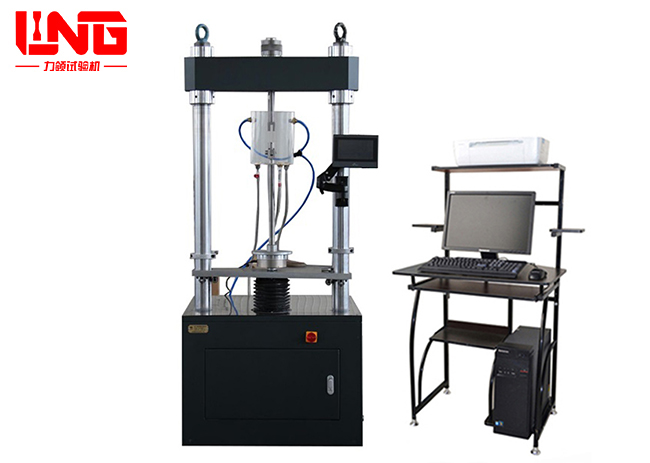
WDML-100 Slow strain rate stress corrosion testing machine
The slow strain rate stress corrosion testing machine is mai...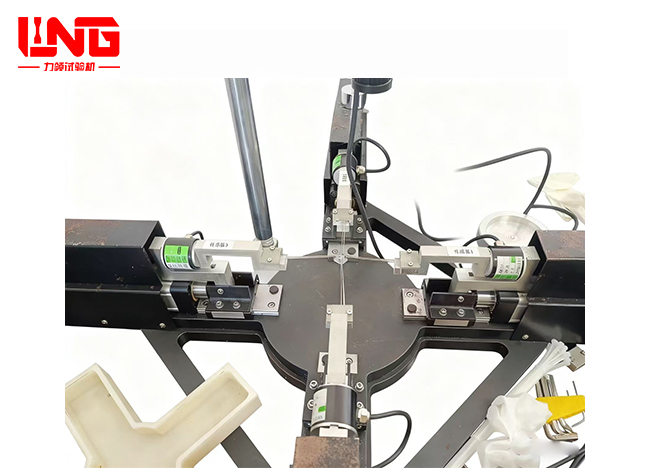
WDW-100SL Bidirectional tensile testing machine
The WDW-100SL biaxial tensile testing machine is based on el...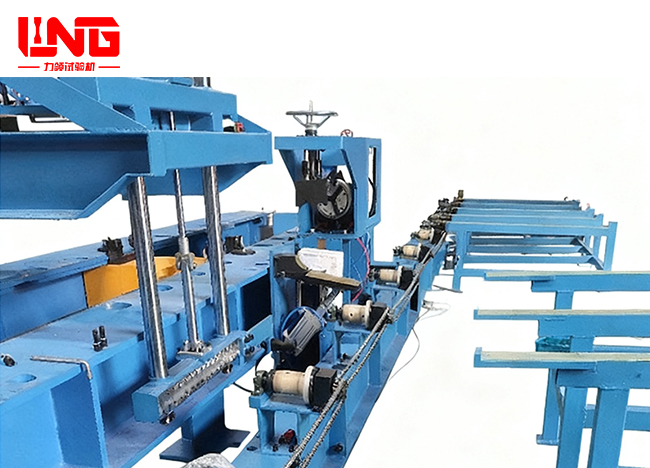
Full-automatic on-line tension testing machine for anchor bolts
The automatic on-line tensile testing machine for anchor bol...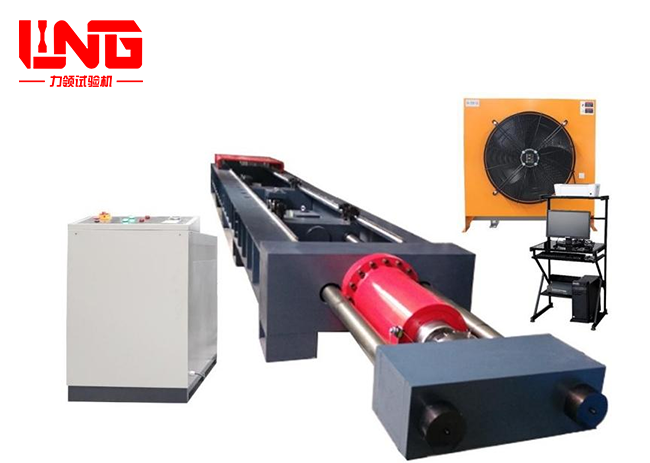
6000KN Electro-hydraulic servo horizontal tensile testing machine controlled by microcomputer
The micro-computer-controlled electro-hydraulic servo horizo...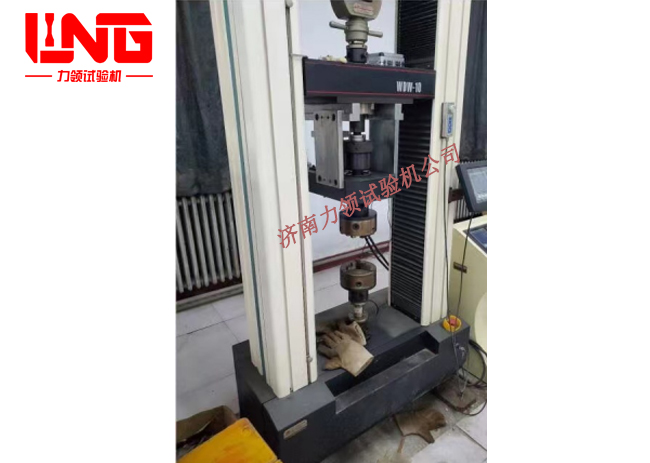
Multi-axial tensile and torsional stress corrosion testing machine
Tensile and torsional stress corrosion testing machine is ma...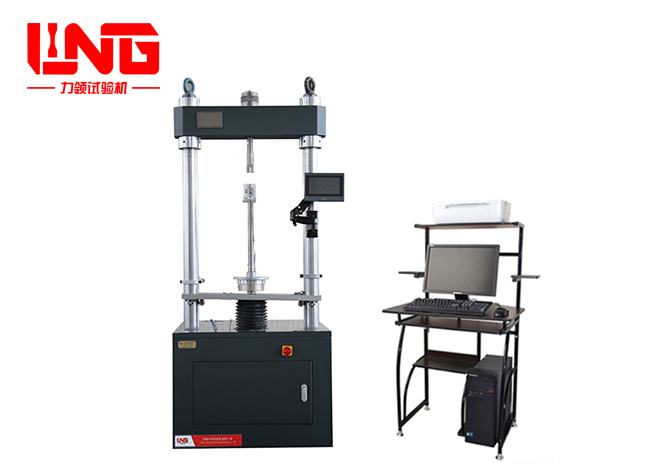
Stress corrosion slow tensile testing machine
WDML-50L microcomputer controlled slow tensile testing machi...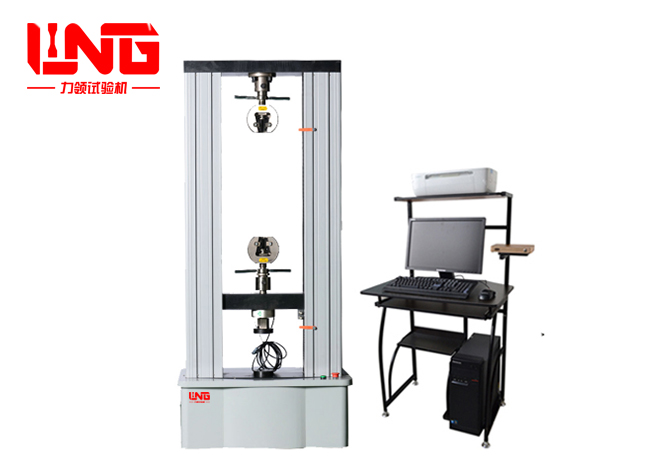
Gate-type microcomputer controlled electronic universal testing machine
The microcomputer controlled electronic universal testing ma...
Single-arm microcomputer controlled electronic universal testing machine
The microcomputer control electronic universal testing ma...
About LiLing
Product range
News
Contact LiLing
National Service Hotline:+86 18660398828
Address:Building 2, No. 6 Weihua West Road, Shizhong District, Jinan City, Shandong Province,China


Business consultation (WeChat)
Technical Support: ChaoYueHuLian
Links: